Tell us what is going on. We will clarify next steps, recommend the right level of care, and map a plan that supports stability at home, at work, and in relationships.
Private. Discreet. Houston.
Heights Treatment
Art Therapy in Houston
Art therapy is a trauma-informed, clinician-led expressive therapy that helps people process emotions, reduce overwhelm, and build insight when words alone do not feel enough. At The Heights Treatment, it supports dual diagnosis care, emotional regulation, and long-term recovery.
Not sure which level of care fits? We will recommend the right next step after a confidential consultation.
What Is Art Therapy?
Art therapy is a clinical mental health modality that combines guided creative work with psychotherapy to help people express, regulate, and better understand emotions. You do not need artistic experience to benefit. The focus is on the process, not the product.
At The Heights Treatment, art therapy is integrated into outpatient dual diagnosis care for anxiety, depression, trauma-related symptoms, chronic stress, emotional overwhelm, and substance use recovery. It can help clients access insight, practice regulation, and communicate what feels difficult to put into words.
How Art Therapy Helps
Art therapy supports recovery by giving emotion a safe structure. It can be especially useful when stress, trauma, shame, anxiety, or shutdown make it hard to find words or stay regulated in the moment.
Instead of forcing insight verbally, art therapy creates another path toward regulation, self-awareness, and meaningful change.
Who Is Art Therapy For?
Art therapy can support many clinical goals, especially when clients feel emotionally flooded, shut down, overthinking, disconnected, or stuck in patterns that are difficult to access through talk alone.
Dual Diagnosis + Addiction Recovery
Supports emotional regulation, shame reduction, stress processing, and healthier coping within integrated recovery care.
Anxiety, Depression, + Mood Dysregulation
Creates another pathway for understanding emotion, easing overwhelm, and improving response patterns in daily life.
Trauma + Emotional Shutdown
Supports grounding, emotional safety, paced processing, and deeper self-understanding when verbal work feels difficult or activating.
What to Expect
Art therapy in treatment is structured, purposeful, and clinically guided. Sessions are designed to support regulation, reflection, and progress toward your treatment goals, not artistic performance.
In Sessions
- guided expressive exercises such as drawing, collage, journaling, or symbolic image-making
- clinician-supported reflection on themes, patterns, and emotional responses
- trauma-informed pacing and emotional safety
- connections between creative work and treatment goals, coping skills, and recovery structure
Between Sessions
- simple practices that reinforce grounding and emotional awareness
- increased ability to identify patterns, triggers, and internal states
- carryover into talk therapy, skills groups, and relationship work
- greater follow-through across your level of care and recovery plan
How We Integrate Art Therapy at Heights
Art therapy works best when it is part of a broader clinical plan. At The Heights Treatment, it is coordinated with your diagnosis, level of care, symptom presentation, and overall recovery needs, rather than treated as a standalone wellness activity.
- Individual and group support: art therapy can reinforce themes that emerge in one-to-one therapy and clinician-led groups.
- Dual diagnosis focus: expressive work supports both mental health stabilization and substance use recovery.
- Trauma-informed pacing: sessions are structured to support safety, regulation, and gradual emotional processing.
- Step-down continuity: insights and coping tools can carry across IIP, PHP, IOP, and OP as treatment progresses.

Cognitive Behavioral Therapy (CBT)
Cognitive behavioral therapy explores the correlation between one’s thoughts and behaviors. The CBT therapists at The Heights Treatment help the client to discover where self-destructive behaviors and unhealthy patterns stem from, and help to change the behavior.
CBT has been clinically proven to be effective for several mental health conditions, including mood disorders, anxiety disorders, eating disorders, schizophrenia, and bipolar disorder.
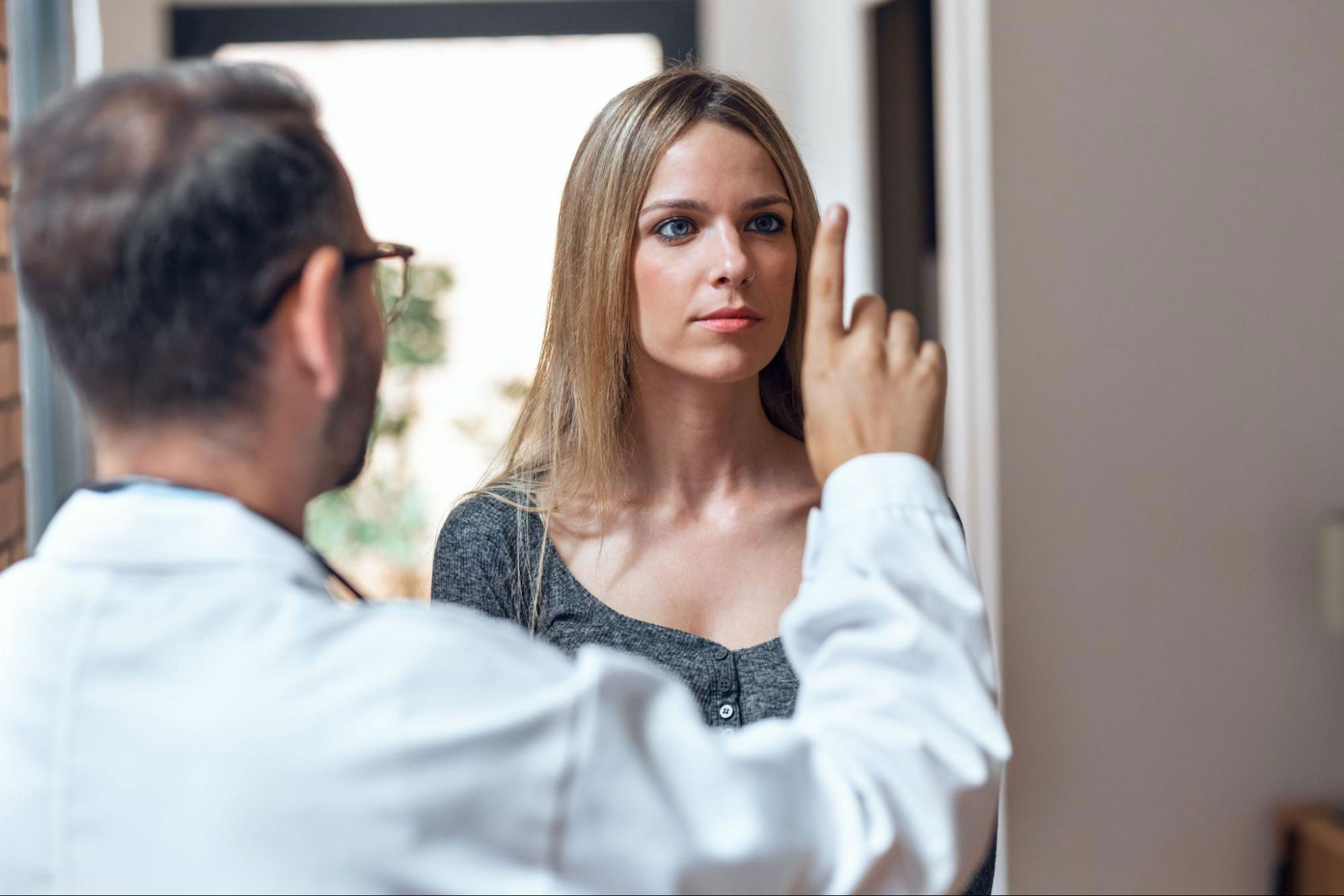
Eye Movement Desensitization & Reprocessing (EMDR)
For over 35 years, Eye Movement Desensitization and Reprocessing (EDMR) has helped patients suffering from the trauma of past experiences.
Initially designed to treat PTSD, EDMR is a structured hand-eye-movement therapy that engages the mind and the eyes while experiences and emotions are processed.
Along with PTSD treatment, EMDR is helpful for treating a variety of anxiety disorders, emotional dysregulation disorders, and depression.

Art Therapy
Art therapy is a clinician-led expressive therapy that combines guided creative work with psychotherapy to support emotional processing, coping skills, and self-awareness. It can be especially helpful when anxiety, depression, trauma symptoms, or stress feel hard to explain through words alone.
At The Heights Treatment Center, art therapy is used to support emotional regulation, trauma-informed healing, and integrated dual diagnosis treatment. The focus is on the creative process, not artistic talent, and sessions help clients translate inner experiences into practical clinical insight.
Art therapy is often used alongside CBT, DBT, EMDR, mindfulness, and other evidence-based approaches as part of a broader outpatient treatment plan.

Mindfulness
Mindfulness is a therapeutic approach that promotes living moment-to-moment instead of dwelling on the past or worrying about the future. Mindfulness results in patients being attuned to their thoughts without assigning negative judgements or issuing automatic responses.
This modality is designed to help clients cope with their thoughts and feelings to stabilize moods, reduce racing thoughts, and ease anxiousness.
Mindfulness has proven beneficial for clients with Borderline Personality Disorder, PTSD, C-PTSD, generalized anxiety, and Obsessive-Compulsive Disorder.

Healthy Relationships
Healthy relationships are a foundational part of long-term emotional stability and recovery. At The Heights Treatment Center, we help individuals identify patterns in relationships that may contribute to stress, conflict, or unhealthy coping behaviors.
This work focuses on developing communication skills, setting boundaries, and building trust in both personal and professional relationships. Clients learn how to recognize attachment patterns, improve emotional regulation, and navigate conflict in a healthier and more constructive way.
By strengthening relationship skills, clients are better able to maintain progress in recovery, reduce isolation, and build a more stable and supportive environment in their daily lives.

Solution-Focused Brief Therapy
Solution-Focused Therapy is a goal-oriented, forward-looking approach that helps individuals identify strengths and build practical solutions rather than focusing solely on past challenges. This method emphasizes what is working and how to create meaningful, sustainable change.
At The Heights Treatment Center, therapists work collaboratively with clients to define clear goals and identify actionable steps toward progress. Even small improvements are used as building blocks to create momentum and reinforce positive change.
This approach is particularly effective for individuals seeking clarity, motivation, and direction in their recovery or mental health journey. It supports faster engagement in treatment while maintaining a strong focus on long-term outcomes.

Dialectical Behavioral Therapy
Dialectical Behavior Therapy (DBT) is a structured, evidence-based approach designed to help individuals manage intense emotions, reduce impulsive behaviors, and improve interpersonal relationships. It is especially effective for individuals struggling with mood instability, self-destructive patterns, or difficulty regulating emotions.
At The Heights Treatment Center, DBT focuses on four core skill areas: mindfulness, distress tolerance, emotion regulation, and interpersonal effectiveness. These skills help clients develop practical tools to navigate stress, tolerate discomfort, and respond to situations more intentionally.
DBT is commonly used in the treatment of anxiety, depression, trauma-related symptoms, and co-occurring substance use disorders. It provides a clear framework for building stability while supporting long-term behavioral change.
Confidential Support Starts Here
Call us for a private consultation. We will listen, answer your questions, and recommend the right next step, including the appropriate level of care and timing.
Contact Us
Art Therapy FAQ
Common questions about art therapy in outpatient dual diagnosis treatment.
Many addictions stem from trauma and emotions that are difficult to articulate. Art therapy in conjunction with individual therapy, group therapy, and other behavioral health substance abuse treatments can help you learn to process and express these emotions in a healthy way.

Understanding IOP Rehab in Houston: A Comprehensive Guide to Intensive Outpatient Recovery (2026)
Understanding IOP Rehab in Houston: A Comprehensive Guide to Intensive Outpatient Recovery (2026)
Read More
PHP Addiction Treatment in Houston: Intensive Healing for Lasting Recovery
PHP Addiction Treatment in Houston: Intensive Healing for Lasting Recovery
Read More
Self-Harm Treatment Centers in Texas: A Guide to Finding Specialized Care in Houston
Self-Harm Treatment Centers in Texas: A Guide to Finding Specialized Care in Houston
Read MoreSources
This page is for education and does not replace medical advice. If you are in crisis or at immediate risk, call 911.
- American Art Therapy Association. Overview of art therapy, training, and clinical applications.
- Peer-reviewed clinical research on art therapy for trauma-related symptoms, anxiety, depression, and emotional regulation.
- Clinical best practices for integrating expressive therapies into outpatient dual diagnosis treatment planning (IIP/PHP/IOP/OP).