Tell us what is going on. We will clarify next steps, recommend the right level of care, and map a plan that supports stability at home, at work, and in relationships.
Private. Discreet. Houston.
Heights Treatment
DBT Therapy in Houston
Dialectical Behavior Therapy (DBT) is an evidence-based, skills-focused approach used in dual diagnosis treatment to reduce relapse risk, stabilize mood, and build emotional regulation, especially when anxiety, trauma, or impulsive behaviors escalate quickly.
Not sure which level of care fits? We will recommend the right next step after a confidential consultation.
What Is DBT (Dialectical Behavior Therapy)?
DBT is a structured, evidence-based therapy that helps people change high-risk patterns while also building self-acceptance and stability. In simple terms, DBT teaches skills to manage emotions, tolerate distress, improve relationships, and stay present, especially when cravings, anxiety, or impulsive urges spike.
At The Heights Treatment, DBT skills are integrated into dual diagnosis care for addiction recovery, anxiety, depression, trauma-related symptoms, and behavioral addictions. Skills are reinforced in individual therapy, clinician-led groups, and between-session structure across PHP, IOP, and OP.
How DBT Helps
DBT strengthens recovery by improving what happens in the moment symptoms escalate, when cravings surge, anxiety spikes, conflict intensifies, or urges feel urgent.
Instead of white-knuckling, you learn a repeatable skill set for stability.
Who Is DBT Therapy For?
DBT can support many clinical goals, especially when emotions, cravings, or impulsive behaviors feel hard to control. Your team will tailor DBT skills based on your symptoms, level of care, and what keeps the pattern active.
Addiction Recovery (Dual Diagnosis)
Supports cravings, relapse prevention, impulse control, and coping under stress across PHP, IOP, and OP.
Emotional Dysregulation + Anxiety
Builds emotion regulation, distress tolerance, and response control so symptoms are less disruptive in daily life.
Trauma + Relationship Patterns
Supports grounding, interpersonal effectiveness, boundaries, and safer coping when you feel triggered or overwhelmed.
What to Expect
DBT in treatment is practical and structured. You will learn repeatable skills you can use at work, at home, and in relationships, especially when urges, conflict, or stress rise fast.
In Sessions
- skills coaching and real-life application
- mindfulness and “wise mind” decision-making
- emotion regulation and distress tolerance tools
- interpersonal effectiveness (conflict, boundaries, communication)
Between Sessions
- simple daily practice plan
- tracking triggers, urges, and high-risk moments
- skills for sleep, stress response, and cravings
- accountability for follow-through across your level of care
How We Integrate DBT at Heights
DBT works best when it is coordinated with your overall plan, not used as a standalone tool. Your primary therapist and clinical team align DBT skills with your diagnosis, relapse risk, relationships, and current level of care.
- Individual therapy: apply DBT to your triggers, relationships, and relapse prevention plan.
- Clinician-led groups: structured skills training, coaching, and accountability (not just “processing”).
- Dual diagnosis focus: DBT supports both mental health symptoms and substance use patterns.
- Step-down continuity: skills remain consistent as you move from IIP/PHP into IOP and OP.

Cognitive Behavioral Therapy (CBT)
Cognitive behavioral therapy explores the correlation between one’s thoughts and behaviors. The CBT therapists at The Heights Treatment help the client to discover where self-destructive behaviors and unhealthy patterns stem from, and help to change the behavior.
CBT has been clinically proven to be effective for several mental health conditions, including mood disorders, anxiety disorders, eating disorders, schizophrenia, and bipolar disorder.

Eye Movement Desensitization & Reprocessing (EMDR)
For over 35 years, Eye Movement Desensitization and Reprocessing (EDMR) has helped patients suffering from the trauma of past experiences.
Initially designed to treat PTSD, EDMR is a structured hand-eye-movement therapy that engages the mind and the eyes while experiences and emotions are processed.
Along with PTSD treatment, EMDR is helpful for treating a variety of anxiety disorders, emotional dysregulation disorders, and depression.

Art Therapy
Art therapy is a discipline that blends the mind’s creative process with more traditional psychotherapeutic techniques. Together, they advance the belief that all humans are naturally creative in some way.
The intent of art therapy is to help the person leverage the creative process to explore self-expression and to gain new insights and coping skills.
Art therapy has proven to be a successful modality with many different mental health conditions, including schizophrenia, depression, and anxiety.

Mindfulness
Mindfulness is a therapeutic approach that promotes living moment-to-moment instead of dwelling on the past or worrying about the future. Mindfulness results in patients being attuned to their thoughts without assigning negative judgements or issuing automatic responses.
This modality is designed to help clients cope with their thoughts and feelings to stabilize moods, reduce racing thoughts, and ease anxiousness.
Mindfulness has proven beneficial for clients with Borderline Personality Disorder, PTSD, C-PTSD, generalized anxiety, and Obsessive-Compulsive Disorder.

Equine-Assisted Psychotherapy
EAP is a therapeutic process involving a client’s interaction with horses without having to ride them. This process promotes self-discovery, learning assistance, emotional resilience, and the development of social and life skills.
Horses are acutely aware creatures that are highly responsive and intuitive. These qualities enable them to easily pick up on emotional cues from humans.
It’s an experimental therapy designed to enhance physical and emotional healing.
Therapeutic applications include mental health conditions such as anxiety, depression, and PTSD. It is also effective with behavior health disorders and substance abuse. We’re excited to offer this service at our mental health treatment center in Houston.
Trauma-Informed Yoga
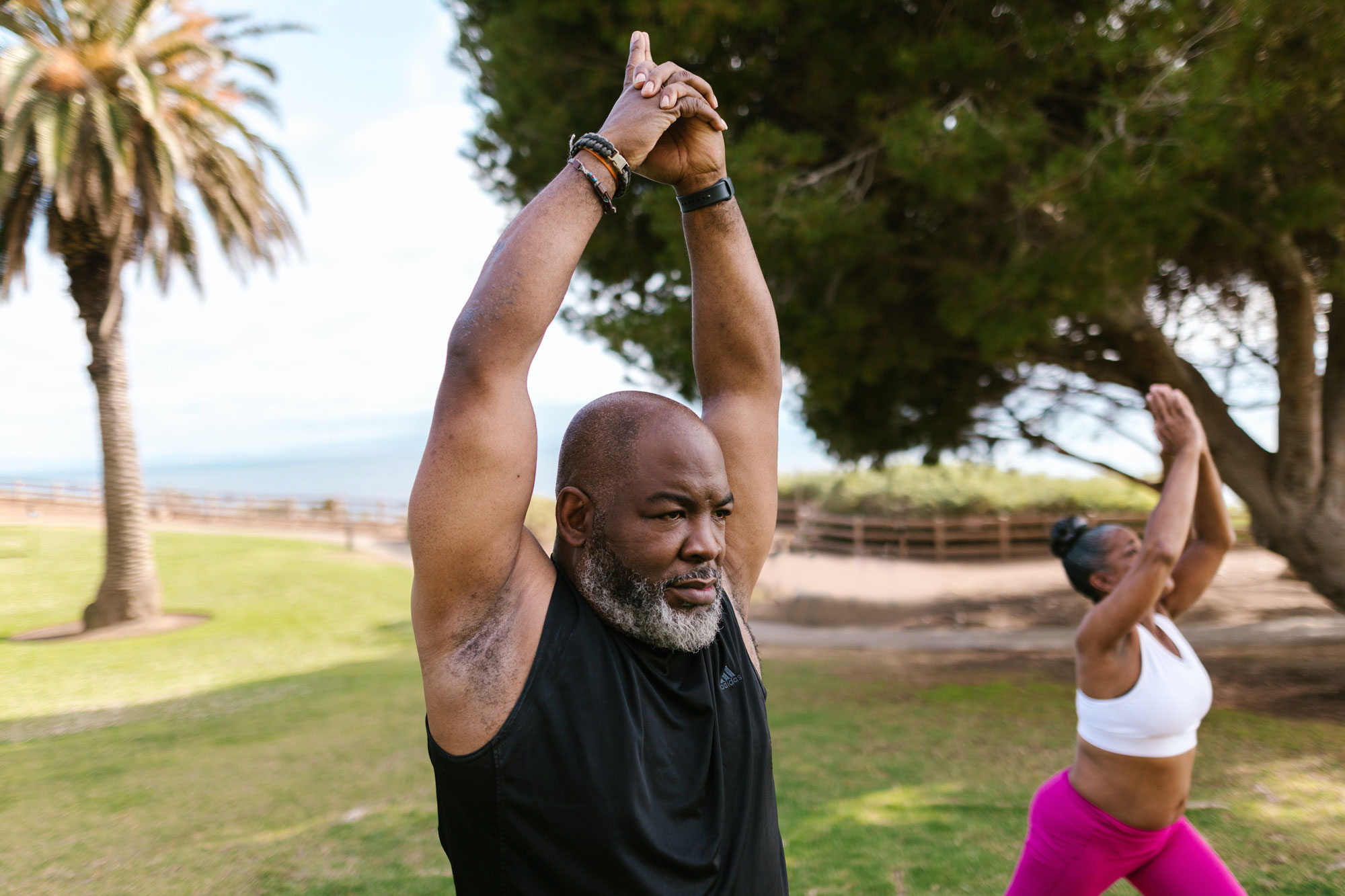
Trauma-Informed Yoga explores this connection through physical positions that promote balance and harmony within the mind.
Through traumatic events, the body often restricts its mind-body connection. To be trauma informed is to assume each participant has some form of trauma in their life and offers space to heal the mind-body connection.
Our Trauma-Informed Yoga leaders uphold a client and compassionate space to advance immersion into emotions and experience

The Daring Way
The Daring WayTM is a training and certification program based on the research of Dr. Brene Brown. This courage-building approach was designed to help professionals, individuals, families, and groups explore their associations with vulnerability, courage, shame, and worthiness.
The intent of this methodology is to develop resilience skills and healthy daily habits that improve life, love, and how one leads or parents to create a wholehearted and authentic way of life.

Neurofeedback
Neurofeedback (also known as EEG Biofeedback) is a non-invasive method for re-educating the brain. The purpose is to help it perform in a more healthy and balanced way without prescription medications.
EEG teaches brain functions to self-regulate by feeding it audio or visual feedback and helping it learn to alter between a relaxed state and an aroused state consistently and smoothly.
EEG biofeedback has several clinical applications, including depression, anxiety, PTSD, ADHD and ADD, and substance addictions. Insomnia, Autism Spectrum Disorder (ASD), TBIs or head injuries, seizures, strokes, and enhancing performance or meditation have also seen relevant applications.

Healthy Relationships
Healthy relationships are a foundational part of long-term emotional stability and recovery. At The Heights Treatment Center, we help individuals identify patterns in relationships that may contribute to stress, conflict, or unhealthy coping behaviors.
This work focuses on developing communication skills, setting boundaries, and building trust in both personal and professional relationships. Clients learn how to recognize attachment patterns, improve emotional regulation, and navigate conflict in a healthier and more constructive way.
By strengthening relationship skills, clients are better able to maintain progress in recovery, reduce isolation, and build a more stable and supportive environment in their daily lives.

Solution-Focused Brief Therapy
Solution-Focused Therapy is a goal-oriented, forward-looking approach that helps individuals identify strengths and build practical solutions rather than focusing solely on past challenges. This method emphasizes what is working and how to create meaningful, sustainable change.
At The Heights Treatment Center, therapists work collaboratively with clients to define clear goals and identify actionable steps toward progress. Even small improvements are used as building blocks to create momentum and reinforce positive change.
This approach is particularly effective for individuals seeking clarity, motivation, and direction in their recovery or mental health journey. It supports faster engagement in treatment while maintaining a strong focus on long-term outcomes.
By strengthening relationship skills, clients are better able to maintain progress in recovery, reduce isolation, and build a more stable and supportive environment in their daily lives.
Confidential Support Starts Here
Call us for a private consultation. We will listen, answer your questions, and recommend the right next step, including the appropriate level of care and timing.
Contact Us
DBT Therapy FAQ
Common questions about DBT therapy in outpatient dual diagnosis treatment.
While the objective of both cognitive behavioral therapy (CBT) and dialectical behavioral therapy (DBT) are to help the client modify their thought patterns, there are significant differences. The primary emphasis of CBT is the relationship between thoughts and how to redirect them, whereas DBT focuses more on the relationship between acceptance and behavioral changes.
Sources
This page is for education and does not replace medical advice. If you are in crisis or at immediate risk, call 911.
- Linehan MM. Dialectical Behavior Therapy (DBT): skills training principles and clinical applications.
- Peer-reviewed clinical research on DBT for emotion regulation, self-harm behaviors, and co-occurring substance use.
- Clinical best practices for integrating DBT skills into outpatient dual diagnosis treatment planning (PHP/IOP/OP).