

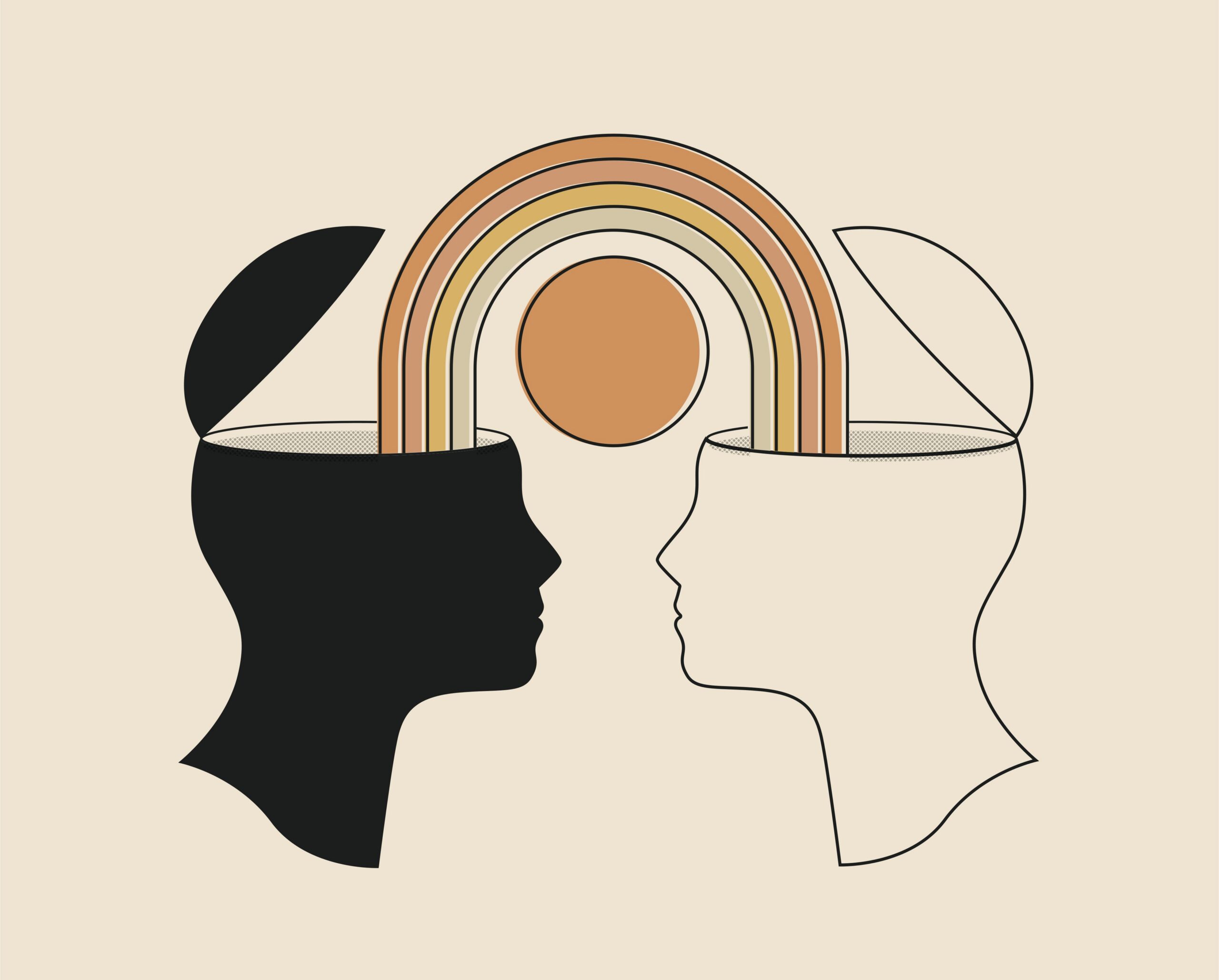

Mental health conditions and substance use disorders frequently occur together. When they do, treating only one condition can make recovery more difficult and may leave the underlying drivers of emotional distress unresolved.
This is why treating mental health and addiction together is such an important part of modern dual diagnosis treatment. When symptoms are addressed in a coordinated way, individuals often have a better chance of building stability, reducing relapse risk, and improving long term functioning.
Mental Health Symptoms and Substance Use Often Influence Each Other
Some people use alcohol or drugs while trying to cope with anxiety, depression, trauma-related symptoms, grief, chronic stress, or mood instability. In other cases, ongoing substance use can intensify psychiatric symptoms over time and make it harder to regulate emotions, think clearly, or remain engaged in treatment.
This interaction creates a cycle that can be difficult to break without an integrated treatment plan.
Why Treating Only One Condition Can Limit Progress
If a person receives addiction treatment without support for mental health symptoms, the emotional pain or psychiatric instability that contributed to substance use may remain in place. If a person receives mental health care without addressing alcohol or drug use, substances may continue to interfere with emotional regulation, medication response, judgment, and daily functioning.
Treating both sides together provides a more complete clinical foundation for recovery. It can also help reduce fragmented care, improve diagnostic clarity, and support more consistent progress over time.
Integrated Treatment Can Improve Recovery Outcomes
When mental health and addiction are treated together, individuals may be better able to:
- understand how symptoms and substance use affect each other
- build healthier coping strategies
- reduce emotional reactivity and impulsive behavior
- improve daily structure and decision-making
- lower relapse risk
- support more stable long term recovery
This is one reason many families and professionals specifically look for a provider experienced in dual diagnosis treatment rather than a program that focuses on only one side of the clinical picture.
Evidence-Based Therapies Often Support Integrated Recovery
Programs that treat co-occurring disorders often use evidence-based therapy models to address both emotional health and addiction recovery. Depending on the individual, treatment may include:
- Cognitive Behavioral Therapy to identify unhelpful thoughts and behaviors
- Dialectical Behavior Therapy to strengthen emotional regulation, distress tolerance, and interpersonal effectiveness
- EMDR for trauma processing when clinically appropriate
- Mindfulness-based practices to support grounding and self-awareness
- Solution-Focused Therapy to support practical progress and next-step planning
A formal mental health assessment can also help clarify diagnoses and determine the most appropriate treatment path.
Structured Levels of Care Can Support the Recovery Process
The right level of care depends on psychiatric stability, severity of symptoms, substance use history, and the amount of structure needed for recovery.
Common treatment options include:
For individuals with more complex presentations, a personalized treatment structure may be more appropriate.
Learn more about our Individualized Intensive Program.
Choosing the Right Program Matters
If you are looking for care, it is worth asking whether a provider has a clear process for addressing both substance use and mental health symptoms in a coordinated way. This is especially important when someone is struggling with emotional distress, trauma history, repeated relapse, or ongoing psychiatric symptoms that affect daily functioning.
Programs that provide integrated care are often better equipped to support clients who are dealing with both substance use disorder and mental health challenges.
Key Takeaways
- Mental health conditions and substance use disorders often reinforce one another.
- Treating only one condition can leave major relapse triggers unresolved.
- Integrated treatment helps address the full clinical picture.
- Evidence-based therapies can support both emotional health and addiction recovery.
- The right level of care may include PHP, IOP, outpatient treatment, or individualized programming.
- Dual diagnosis treatment can improve stability, emotional regulation, and long term recovery outcomes.
Learn More About Integrated Treatment
If you are seeking treatment that addresses both emotional health and substance use, it may help to start with a provider experienced in co-occurring disorders care.
Visit our Houston addiction and mental health rehab page, explore our levels of care, or contact our team to learn more.
Frequently Asked Questions
Why should mental health and addiction be treated together?
Because the two conditions often influence one another. Treating both together can improve emotional stability, reduce relapse risk, and support better long term recovery outcomes.
What is dual diagnosis treatment?
Dual diagnosis treatment is integrated care for people experiencing both a mental health condition and a substance use disorder.
Can untreated anxiety or depression increase relapse risk?
Yes. Untreated symptoms such as anxiety, depression, trauma-related distress, or mood instability can contribute to continued substance use and make recovery more difficult.
What therapies are commonly used in integrated treatment?
Common approaches include cognitive behavioral therapy, dialectical behavior therapy, EMDR, mindfulness-based practices, and relapse prevention work.
Is outpatient care enough for co-occurring disorders?
For some people, yes. Others may need a higher level of support such as PHP or IOP before stepping down to outpatient care.
How do I know what level of care is right?
A clinical assessment can help determine the appropriate level of care based on symptoms, safety concerns, substance use severity, relapse history, and support needs.