

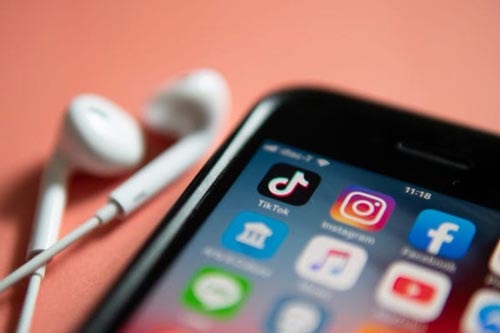

Smartphones have transformed daily life, providing instant communication, convenience, and access to the world within seconds. While these advancements offer clear benefits, mental health experts are increasingly concerned about how constant connectivity affects emotional, cognitive, and behavioral well-being. Excessive smartphone use shares several characteristics with behavioral addictions and can contribute to issues such as anxiety, depression, disrupted sleep, and impaired functioning.
At The Heights Treatment in Houston, our clinicians frequently work with individuals who struggle with technology addiction and its connection to anxiety, stress, and difficulty regulating emotions. Understanding the risks associated with chronic mobile phone use can help you recognize harmful patterns and take steps toward healthier habits.
Information Overload
Smartphones work as a constant portal to news, social updates, entertainment, and information. While this accessibility can be useful, the human brain is not built for continuous input. Information overload contributes to confusion, difficulty concentrating, decision fatigue, and emotional overwhelm. Many people also experience symptoms of anxiety as a result of nonstop alerts and content consumption.
Therapeutic approaches like mindfulness and cognitive behavioral therapy (CBT) can help retrain the brain to manage overstimulation and regain control over attention.
Lack of Physical Interaction
Digital communication can supplement social connection but cannot replace real in-person interaction. As smartphone use increases, face-to-face communication often decreases. This can impact emotional regulation, reduce feelings of connection, and heighten loneliness.
Therapeutic work within structured programs like our Intensive Outpatient Program (IOP) helps clients rebuild healthy, meaningful interpersonal relationships.
Questionable Contacts
The anonymity of the internet means online interactions are not always what they appear to be. Excessive smartphone use increases the likelihood of engaging with unsafe or unhealthy digital relationships. For young adults and teens, these risks can be particularly pronounced.
Impulse Buying
Smartphones expose users to targeted advertising based on tracked data and browsing patterns. This constant stream of curated ads increases the likelihood of impulse spending. Over time, this can contribute to financial stress and compulsive behaviors, which often intersect with emotional regulation challenges and mental health concerns.
Divided Attention
Multitasking has become a cultural expectation, yet research consistently shows that the brain can only focus deeply on one task at a time. Constant smartphone notifications fragment attention, slow productivity, and impair learning. This frequent distraction is so significant that laws were created to prevent phone use while driving due to safety risks.
FOMO
Fear of Missing Out (FOMO) describes the compulsive need to stay connected so you do not miss updates, trends, or social activity. FOMO is directly linked to anxiety and reinforcement patterns similar to behavioral addictions. Frequent refreshing, checking, and scrolling can become compulsive behaviors that interfere with real-life functioning.
Separation Anxiety
Adults now experience separation anxiety related to their phones, a phenomenon historically associated with children who fear separation from a caregiver. While some concerns are valid, such as needing emergency contact, the deeper anxiety often comes from needing continuous stimulation, reassurance, or connection through the phone.
Working with a mental health professional can help address the underlying emotions behind digital dependency. Our Houston mental health program supports clients experiencing anxiety, attachment issues, and compulsive phone use.
Sleep Disturbance
Smartphones significantly disrupt sleep. Notifications, blue light exposure, and habit-driven late-night scrolling interfere with the brain’s natural sleep cycles. Poor sleep increases the risk of anxiety, depression, irritability, and cognitive impairment. Over time, chronic sleep disruption affects nearly every system in the body.
Therapeutic support and structured treatment can help individuals rebuild healthy sleep routines and address the emotional factors driving nighttime phone use.
When Smartphone Use Becomes a Problem
If phone use is affecting your mental health, relationships, productivity, or sleep, it may be time to seek support. Technology addiction is closely linked with anxiety, emotional dysregulation, and avoidance behaviors. You do not have to manage these challenges alone.
At The Heights Treatment in Houston, we offer structured programs to help individuals understand and overcome harmful digital habits, including:
- Partial Hospitalization Program (PHP)
- Intensive Outpatient Program (IOP)
- Outpatient care
- Technology addiction treatment
- Mindfulness therapy
If you or a loved one is struggling with smartphone reliance or its mental health effects, our team is here to help. Contact us to learn more about treatment options and how we support clients in regaining balance, focus, and well-being.
Sources
- National Institute of Mental Health. Anxiety Disorders. Accessed October 2022.