

K 18 Pill Identifier: What It Is, What It Does, Risks, and When to Get Help
Last updated: January 2026
Most prescription tablets have identifying markers (shape, color, and imprints) that help pharmacists confirm the correct medication and dose. However, an imprint alone is not a guarantee of safety. Counterfeit pills can look nearly identical to legitimate prescriptions and may contain fentanyl or other unknown substances.
In this guide, we explain what the K 18 pill is, what oxycodone does in the body, common side effects, serious risks (including overdose), and warning signs of opioid use disorder. If you are concerned about your own use or a loved one’s use, you can contact The Heights Treatment for a confidential conversation about next steps.
What Is the K 18 Pill?
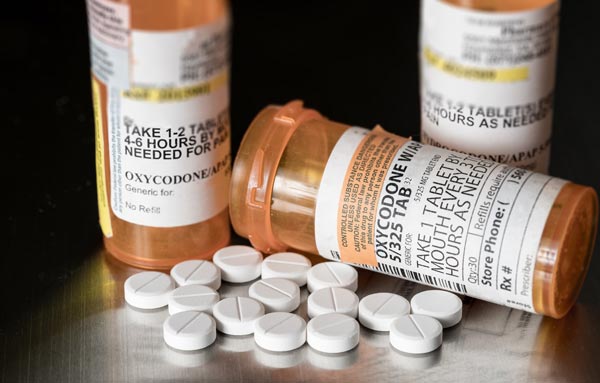
A tablet imprinted K 18 is commonly identified as oxycodone hydrochloride 5 mg, an immediate-release opioid pain medication. For quick pill identification, see:
Oxycodone is a Schedule II controlled substance, meaning it has recognized medical use but also a high potential for misuse and dependence.
Counterfeit pills can mimic real oxycodone
If a pill was not dispensed to you by a pharmacy or you are not 100% sure of its origin, treat it as potentially unsafe. The DEA warns that counterfeit pills sold outside pharmacies may contain fentanyl. Learn more here: DEA: One Pill Can Kill.
What Does Oxycodone Do?
Oxycodone binds to opioid receptors in the brain and nervous system, reducing pain signals and sometimes creating euphoria or sedation. Even when taken exactly as prescribed, oxycodone can cause tolerance (needing more to get the same effect) and physical dependence (withdrawal symptoms if stopped abruptly).
The CDC recommends careful risk-benefit assessment, using the lowest effective dose, and reevaluating regularly for benefits and harms. See: CDC Clinical Practice Guideline for Prescribing Opioids for Pain (2022).
If you’re already worried about opioid misuse or dependence, it may help to understand what structured support can look like. Explore levels of care here:
- Partial Hospitalization Program (PHP) in Houston
- Intensive Outpatient Program (IOP) in Houston
- Outpatient Program (OP) in Houston
- Individualized Intensive Program (IIP)
Side Effects and Risks of the K 18 Pill (Oxycodone 5 mg)
Like other opioids, oxycodone can cause a range of side effects. Some are common and manageable, while others are medical emergencies. For patient-facing safety information, see MedlinePlus: Oxycodone.
Common side effects
- Drowsiness or sedation
- Nausea or vomiting
- Constipation
- Dizziness or lightheadedness
- Itching
- Headache
- Mood changes
Serious risks
1) Slowed or stopped breathing (respiratory depression)
Respiratory depression is the leading cause of fatal opioid overdose. Risk increases with higher doses, taking opioids with alcohol or sedatives, underlying breathing conditions, and using pills that may be counterfeit.
2) Overdose risk, especially with counterfeit pills
Counterfeit pills may contain fentanyl or other high-potency opioids, and potency can be unpredictable. If you suspect an overdose, call 911 immediately. If naloxone is available, administer it and stay with the person until help arrives. For naloxone guidance, see FDA information on over-the-counter naloxone.
3) Opioid use disorder (addiction)
Oxycodone can reinforce compulsive use. Addiction can develop from legitimate prescriptions, especially with prolonged use or dose escalation. Learn more about opioids and addiction here: NIDA: Opioids.
4) Increased pain sensitivity over time
Some people experience worsening pain sensitivity with ongoing opioid exposure (sometimes called opioid-induced hyperalgesia). This can contribute to a cycle of increasing dose and increasing risk.
Signs You May Be Struggling With Opioid Use Disorder
Not everyone shows the same signs. A useful way to understand opioid use disorder is to look for patterns over time: loss of control, continued use despite harm, and withdrawal symptoms when stopping.
- Taking more than prescribed or taking it more often than prescribed
- Cravings or preoccupation with getting more pills
- Using pills to cope with stress, sleep, anxiety, or emotions instead of pain
- Needing higher doses to feel the same effect (tolerance)
- Withdrawal symptoms when you stop (flu-like symptoms, sweating, agitation, insomnia)
- Hiding use, lying about use, or feeling unable to stop
- Relationship, work, or legal problems related to opioid use
If this feels familiar, support is available. If you want a quick overview of structured options, explore:
- PHP (structured daytime treatment)
- IOP (step-down support while living at home)
- Outpatient (ongoing therapy + accountability)
If you’re a family member or partner and you’re not sure what to do next, start here: Family Support.
When to Get Help (and What Treatment Can Look Like)
Effective opioid addiction treatment typically combines medical support with evidence-based therapy and relapse prevention skills. Depending on your needs, treatment may include structured outpatient programming, individual therapy, psychiatric support, and family involvement.
At The Heights Treatment in Houston, our approach is designed for people who want strong clinical care with an individualized plan. If appropriate, we can coordinate step-down planning and ongoing accountability.
If you are unsure what level of care you need: Start with a confidential assessment. Contact our team here.
If you need immediate help but aren’t sure where to start
If you’re in the U.S., you can also contact the SAMHSA National Helpline for treatment referrals and information.
Sources
- Drugs.com. K 18 Pill Identifier. Accessed January 2026. https://www.drugs.com/imprints/k-18-15461.html
- DailyMed (NIH/NLM). Oxycodone Hydrochloride (prescribing information database). Accessed January 2026. https://dailymed.nlm.nih.gov/dailymed/
- MedlinePlus (NIH). Oxycodone: Drug Information. Accessed January 2026. https://medlineplus.gov/druginfo/meds/a682132.html
- CDC. Clinical Practice Guideline for Prescribing Opioids for Pain, United States, 2022. Accessed January 2026. https://www.cdc.gov/mmwr/volumes/71/rr/pdfs/rr7103a1-h.pdf
- DEA. One Pill Can Kill (counterfeit pill awareness). Accessed January 2026. https://www.dea.gov/onepill
- NIDA (NIH). Opioids. Accessed January 2026. https://nida.nih.gov/research-topics/opioids
- FDA. Naloxone information (OTC approval and safety). Accessed January 2026. https://www.fda.gov/drugs/drug-safety-and-availability/fda-approves-first-over-counter-naloxone-nasal-spray
- SAMHSA. National Helpline. Accessed January 2026. https://www.samhsa.gov/find-help/national-helpline