
Category
Addiction & Substance Use
Addiction Treatment in Houston
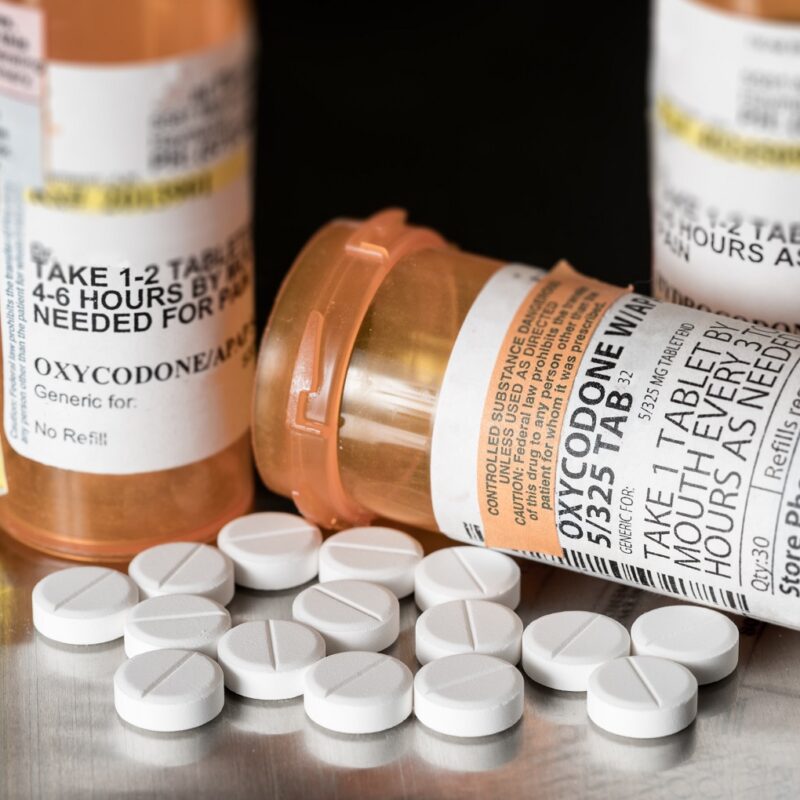
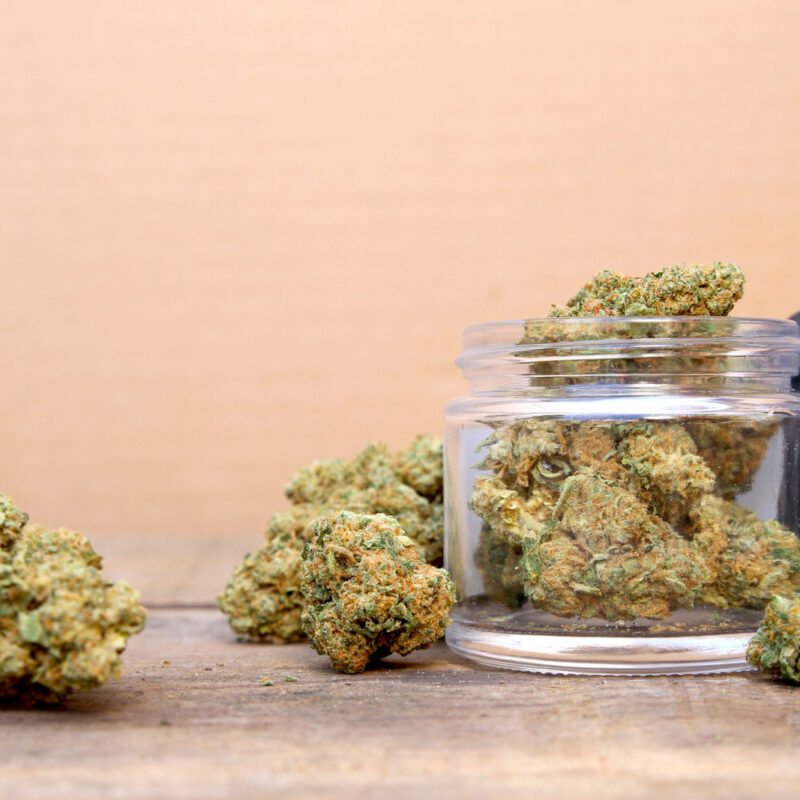
If you’re searching for addiction treatment in Houston, it helps to start with clear, medically grounded information. Addiction and substance use disorders involve patterns of alcohol or drug use that begin to affect health, relationships, safety, and daily functioning. Substances may include alcohol, opioids, stimulants, benzodiazepines, marijuana, or other drugs. Over time, use can shift from voluntary to compulsive, even when consequences increase. Substance use also commonly overlaps with anxiety, depression, trauma symptoms, and other mental health conditions.
If you are concerned about your own substance use or a loved one’s safety, you do not have to navigate this alone. Our clinical team can help you understand treatment options and determine the appropriate level of care. Contact Us to discuss next steps.
Medical disclaimer: This content is for educational purposes only and is not a substitute for professional diagnosis or treatment. If there is immediate danger or overdose risk, call 911. For urgent mental health support in the U.S., call 988.
Frequently Asked Questions About Addiction & Substance Use
Is addiction considered a medical condition?
- Addiction is widely recognized as a chronic, treatable health condition involving changes in brain function related to reward, stress, and decision-making systems.
What are early signs of a substance use disorder?
- Early signs may include increased tolerance, difficulty cutting back, cravings, withdrawal symptoms, and continued use despite negative consequences.
When should someone seek professional treatment?
- Professional treatment may be appropriate when substance use begins affecting safety, relationships, work, physical health, or mental health stability.
Can addiction occur alongside mental health conditions?
- Yes. Many individuals experience co-occurring conditions such as anxiety, depression, trauma-related disorders, or personality-related challenges. A comprehensive assessment helps determine appropriate care.






© 2026 Heights Treatment. All Rights Reserved