

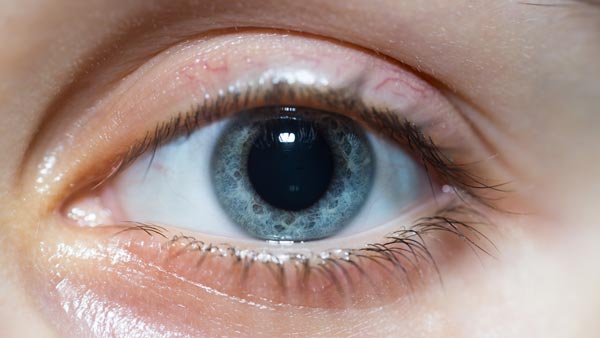
Dilated pupils, also known as mydriasis, can be a physical sign of substance use. Pupils naturally change size in response to light and focus, but certain drugs can disrupt those normal reactions by affecting the nervous system.
If you are trying to understand what might cause dilated pupils, this guide breaks down the most common substances involved, what is happening biologically, and when to treat it as a safety concern.
Pupil Dilation, the Nervous System, and Drug Effects
Pupil dilation is controlled by the autonomic nervous system (ANS), which automatically regulates processes like heart rate, breathing, digestion, and the pupil’s response to light. The ANS has two main branches:
- Parasympathetic (rest and digest), which typically supports pupil constriction
- Sympathetic (fight or flight), which typically supports pupil dilation
Pupils dilate when reacting to changes in light, fixation, or external stimuli.[1] In darker environments, dilation helps the eye let more light in. Some drugs mimic or intensify “fight or flight” signaling, which can lead to noticeably enlarged pupils.
What Drugs Cause Dilated Pupils?
Not all substances affect the eyes the same way. In general, stimulants and many hallucinogens are most associated with dilated pupils. The effect can vary by dose, potency, route of use, individual biology, and environment.
Stimulants
Stimulants activate the central nervous system (CNS) and often increase norepinephrine activity, which can stimulate the sympathetic nervous system and lead to pupil dilation. Stimulants can also contribute to anxiety, agitation, paranoia, and sleep disruption.
Methamphetamine
Methamphetamine is a potent stimulant that can cause euphoria, increased energy, hyperarousal, and dilated pupils. If you are trying to understand stimulant exposure timelines, see: How Long Does Meth Stay In Your System?
Prescription amphetamines (e.g., Adderall)
Prescription stimulants used for ADHD can also cause dilation, especially when misused or taken at higher-than-prescribed doses. These medications can increase the release and inhibit the reuptake of norepinephrine and dopamine, which can drive sympathetic activation.
Cocaine
Cocaine is a stimulant that inhibits the uptake of norepinephrine, which can contribute to dilated pupils.[2] Dose, purity, frequency of use, and individual metabolism can all affect how long symptoms last. For detection timelines, see: How Long Does Cocaine Stay in Your System?
Hallucinogens and psychoactive substances
LSD (Acid)
LSD is a powerful hallucinogen that can cause heightened arousal, sensory changes, hallucinations, and dilated pupils. If you are looking for safety context, see: Can You Overdose on Acid? and Can You Overdose on LSD?
MDMA (Ecstasy)
MDMA can increase norepinephrine, dopamine, and serotonin signaling, which may lead to pupil dilation. It can also increase heart rate, blood pressure, and body temperature, and it carries additional risks when combined with other substances.
Cannabinoids
Cannabis is more commonly associated with red or bloodshot eyes, but it can also influence pupil response in some individuals depending on dose and route of use.
Opioids
Opioids are the opposite pattern most people expect. Opioids more commonly cause pinpoint pupils rather than dilated pupils, especially during intoxication. However, polysubstance use, dose variation, or unclear pill contents can complicate what you see clinically.
If opioid use is part of the picture, you may also want: How Long Does Percocet® Stay in Your System? (2025 Guide)
Benzodiazepines and barbiturates
These medications typically depress the nervous system. Pupil dilation is not the most common presentation, but severe misuse, co-use with stimulants, or toxicity can produce mixed signs. Overdose risk is higher when combined with alcohol or opioids.
Other illicit substances
MDPV (“bath salts”)
MDPV can inhibit the reuptake of norepinephrine and dopamine, contributing to dilation and intense stimulation. In some cases, pupils may become less reactive to light.
PCP
PCP can cause dissociation, hallucinations, and dangerous behavioral changes. It may also contribute to dilated pupils and unpredictable reactions.
When Dilated Pupils Are a Safety Concern
Dilated pupils alone do not confirm substance use. However, dilated pupils plus confusion, agitation, chest pain, overheating, fainting, or unsafe behavior should be treated as urgent.
If you suspect overdose or medical instability, do not wait. Here is additional guidance: What Happens If You Overdose Without Treatment?
Substance Use Treatment and Next Steps
If substance use is affecting your health, relationships, or daily functioning, treatment can help. The right level of care depends on severity, safety risk, and co-occurring mental health needs. If you are exploring options, start here: Treatment Programs
Sources
[1] Mathôt S. (2018). Pupillometry: Psychology, Physiology, and Function. Journal of cognition, 1(1). Retrieved from https://www.ncbi.nlm.nih.gov/pmc/articles/PMC6634360/ (accessed 2023, June 29).
[2] Dhingra, D., Kaur, S., & Ram, J. (2019). Illicit drugs: Effects on eye. The Indian journal of medical research, 150(3), 228–238. Retrieved from https://www.ncbi.nlm.nih.gov/pmc/articles/PMC6886135/ (accessed 2023, June 29).
[3] McLane, N. J., & Carroll, D. M. (1986). Ocular manifestations of drug abuse. Survey of ophthalmology, 30(5), 298–313. Retrieved from https://pubmed.ncbi.nlm.nih.gov/2872731/ (accessed 2023, June 29).