
Adderall is a stimulant medication prescribed to treat attention deficit hyperactivity disorder (ADHD) and, in some cases, narcolepsy. While it can be effective when taken as directed, Adderall has risks and potentially dangerous interactions, including with alcohol.
Medication Safety Notice: This article is for informational purposes only and is not a substitute for medical advice. Do not start, stop, or change any prescription medication without guidance from a licensed healthcare provider. If you have taken Adderall and alcohol together and feel unwell, seek medical attention.
Below, you will learn what to know about Adderall and alcohol interactions, key risks, warning signs of overdose, and practical safety guidance.
What Is Adderall?
Adderall is a central nervous system (CNS) stimulant that may be prescribed to treat ADHD and narcolepsy. It is a combination medication that includes amphetamine and dextroamphetamine, which can support attention, focus, and executive functioning for some individuals.
While Adderall has valid medical uses, it is also commonly misused. Based on national survey data, 3.7 million people ages 12 and older reported misusing prescription stimulants like Adderall within the past year.[1] Misuse may include taking higher doses than prescribed, using someone else’s prescription, or taking Adderall for non-medical reasons such as studying, weight loss, or euphoria.
If you are unsure whether your use is becoming risky, support is available. You can contact our team to discuss options in a confidential, nonjudgmental way.
Adderall and Alcohol Interaction
Important: Adderall and alcohol should not be used together unless your prescriber has specifically advised otherwise. Even small amounts of alcohol can interact unpredictably with stimulant medications.
Polysubstance use is the use of two or more substances together or within a short period of time, whether intentionally or unintentionally. A person may mix Adderall with alcohol because they assume a prescription medication is safe to combine with a legal substance. Others may combine them intentionally, believing the effects will “cancel out” or balance each other.
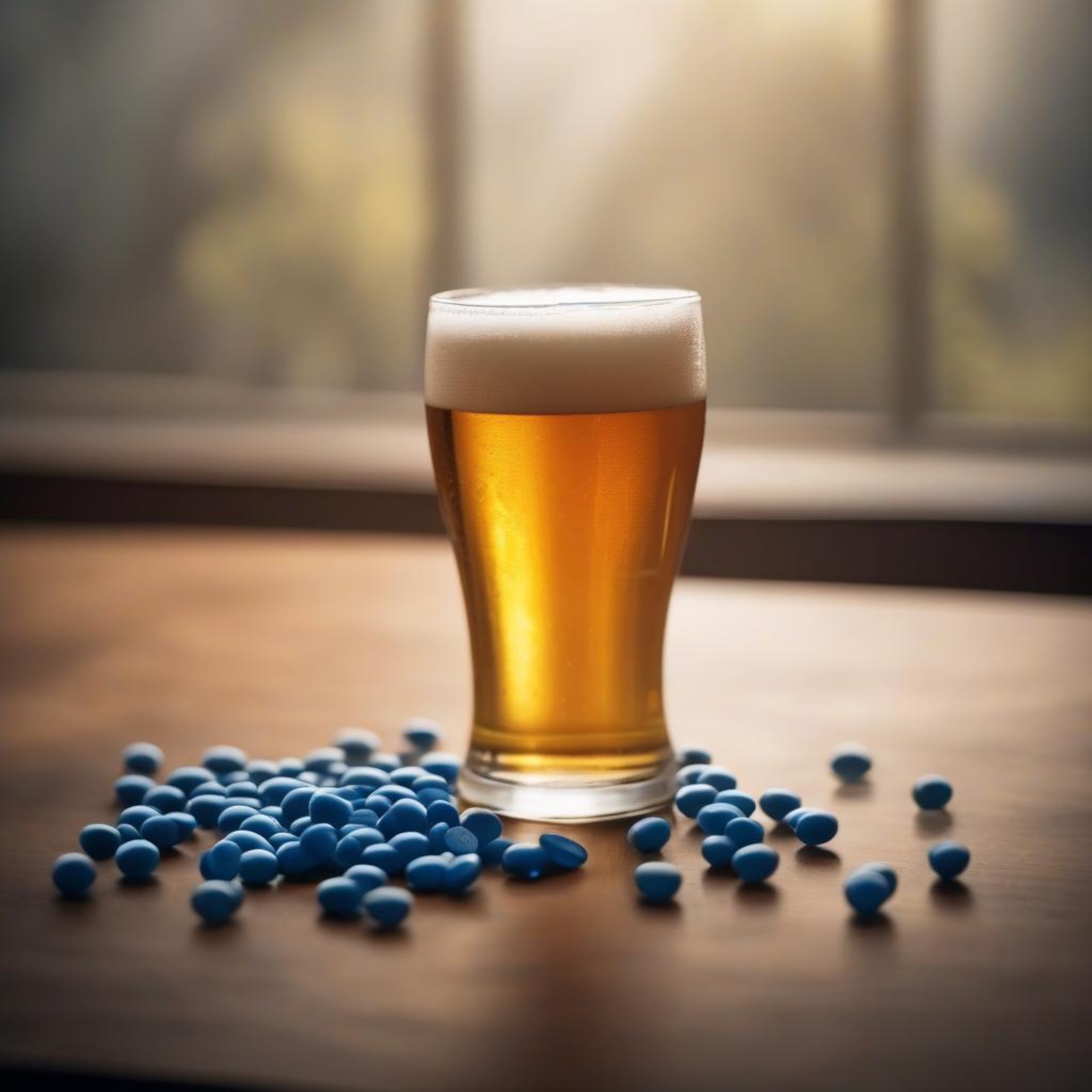
In reality, Adderall is a stimulant and alcohol is a depressant. Combining stimulants and depressants can be especially dangerous because the effects may mask each other and increase the likelihood of consuming more alcohol than intended.[2]
Mixing Adderall and alcohol can increase the risk of complications, including cardiovascular strain, dehydration, overheating, impaired judgment, and overdose. Under the influence of both substances, people may also make risky decisions such as driving, unsafe sex, or taking additional substances.
Some individuals may be at higher risk for dangerous interactions, including people with heart conditions, high blood pressure, liver disease, or a history of substance misuse. Alcohol can also impair judgment and increase the chance of taking Adderall in unsafe ways.
Adderall and Alcohol Overdose
When alcohol and Adderall are combined, it may be easier to reach alcohol poisoning or stimulant toxicity because the stimulant effects can reduce the perception of intoxication.
The symptoms of Adderall overdose may include:[3]
- Irregular heartbeat
- High blood pressure
- Agitation
- Confusion
- Panic
- Aggression
- Rapid breathing
- Abdominal cramps
- Vomiting
- Nausea
The symptoms of alcohol poisoning may include:[4]
- Confusion
- Difficulty staying conscious
- Vomiting
- Seizures
- Trouble breathing or slow breathing
- Slow heart rate
- Clammy skin or bluish/pale skin
- Low body temperature
- Coma
If you suspect overdose or alcohol poisoning, call 911 immediately. Emergency care should not be delayed. Combining stimulants and alcohol can worsen rapidly and become life-threatening.
Alcohol and Adderall Safety

Adderall and alcohol should not be mixed, even in small amounts. Mixing substances can create unpredictable effects and increase the risk of overdose, heart complications, and impaired decision-making.
Avoid drinking while taking Adderall unless your prescriber has advised it is safe for you. Also note that it may not be safe to drink immediately after stopping Adderall. How long the medication remains active varies by formulation, dosage, metabolism, and individual health factors.
Immediate-release Adderall may be active for several hours, while extended-release formulations last longer. If you are unsure about timing, speak with a pharmacist or your prescriber. You can also review general timing information here: How long does Adderall stay in your system?
Taking Adderall at higher doses or more frequently than prescribed can increase the risk of dependence. Stopping suddenly may cause withdrawal symptoms such as sleepiness, depressed mood, and slowed movement. Ask your prescriber how to discontinue safely if you want to stop.
If you have mixed Adderall and alcohol, accidentally or intentionally, seek medical attention if you feel unwell. Even if symptoms seem mild, a dangerous interaction can develop as substances continue to metabolize.
Adderall, Alcohol, and Polysubstance Addiction
Adderall and alcohol both carry a risk of misuse, and combining them can increase the risk of developing an addiction. Addiction involves continued use despite negative consequences, including health, relationship, or work impacts.
If you are using Adderall and alcohol together, or combining Adderall with other substances, it is important to seek professional support. Adderall withdrawal can be uncomfortable, and alcohol withdrawal can be dangerous. Quitting alcohol “cold turkey” may cause severe complications, including seizures.
Because of these risks, treatment often starts with medical support. After stabilization, ongoing treatment may include outpatient or more structured programming depending on your needs.
For Houston-area care options, you can review:
- Individualized Intensive Program (IIP)
- Partial Hospitalization Program (PHP)
- Intensive Outpatient Program (IOP)
- Outpatient Program (OP)
If you are a loved one supporting someone who is struggling, see our Family Support resources.
Treating Addiction to Adderall and Alcohol
Mixing alcohol and Adderall can be dangerous and may lead to serious complications such as heart problems, alcohol poisoning, or overdose. If you or a loved one is using Adderall and alcohol together, early intervention can prevent medical emergencies and support long-term recovery.
If you are in Houston and want to explore treatment options, visit our Houston Addiction & Mental Health Rehab page or contact us to speak with our team.
Sources
-
Substance Abuse and Mental Health Services Administration (SAMHSA). (2022).
Key substance use and mental health indicators in the United States: Results from the 2021 National Survey on Drug Use and Health.
Retrieved from https://www.samhsa.gov/data/sites/default/files/reports/rpt39443/2021NSDUHFFRRev010323.pdf -
Centers for Disease Control and Prevention (CDC). (Updated regularly).
Polysubstance use facts.
Retrieved from https://www.cdc.gov/stop-overdose/caring/polysubstance-use.html -
GoodRx. (Updated regularly).
The common signs of an Adderall overdose.
Retrieved from https://www.goodrx.com/adderall/adderall-overdose -
National Institute on Alcohol Abuse and Alcoholism (NIAAA). (Updated regularly).
Understanding the dangers of alcohol overdose.
Retrieved from https://www.niaaa.nih.gov/publications/brochures-and-fact-sheets/understanding-dangers-of-alcohol-overdose