

How Long Does Xanax® Stay in Your System?
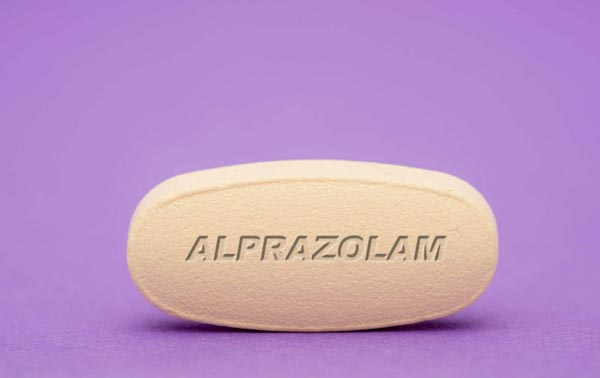
Xanax® (alprazolam) is a commonly prescribed benzodiazepine used for anxiety and panic symptoms. While it can provide short-term relief, Xanax® carries a meaningful risk of tolerance, physical dependence, and withdrawal, especially with daily use, higher doses, or long-term prescribing.
In many cases, Xanax® is detectable for about 2 to 4 days, though it may be detectable for longer depending on the test type, dose, frequency, and individual metabolism.
If you’re looking at detection times because you’re concerned about misuse or dependency, start here: Addiction & Substance Use.
Xanax® Detection Times by Test Type
| Test Type | Detection Window |
|---|---|
| Urine | Up to 4 days (longer with chronic use) |
| Blood | Up to 24 hours |
| Saliva | 1 to 2 days |
| Hair | Up to 90 days |
Detection ranges vary based on dose, metabolism, age, weight, liver function, and whether the person has developed physical dependence.
Xanax® Half-Life
The half-life of alprazolam is often cited around 11 hours in healthy adults, meaning it takes about 11 hours for the body to eliminate half of the drug. Many medications take roughly five half-lives for most of a single dose to clear, though drug tests may detect metabolites beyond that window.
Xanax® may remain in the body longer for:
- Older adults
- People with slower metabolism
- Individuals with liver impairment
- Chronic/daily users
- People combining benzodiazepines with other CNS depressants
Factors That Affect How Long Xanax® Stays in Your System
- Frequency of use: ongoing use can increase accumulation
- Dosage: higher doses generally take longer to clear
- Age: metabolism often slows with age
- Liver function: alprazolam is metabolized in the liver (CYP pathways)
- Body composition: benzodiazepines can be fat-soluble
- Other medications: some drugs slow metabolism and extend detection
Can You Fail a Drug Test for Xanax®?
Yes. Many drug tests screen for benzodiazepines and may detect alprazolam and/or its metabolites. Even when taken as prescribed, a screening can still appear positive unless appropriate documentation is provided (when relevant).
Xanax® Withdrawal and Safety
Do not stop Xanax® suddenly without medical guidance, especially after regular use. Withdrawal may begin within 8 to 12 hours after the last dose and can peak over the first several days. In some cases, withdrawal can be medically serious (including seizure risk).
For education on withdrawal risk and timelines, see: Drug Withdrawal.
Is Xanax® Addictive?
Xanax® can be habit-forming, particularly with daily use, higher doses, or use outside prescribing guidance. Tolerance and dependence may develop even when Xanax® is initially prescribed for legitimate anxiety or panic symptoms.
Treatment Options for Xanax® Misuse
When benzodiazepine use overlaps with anxiety, panic, trauma symptoms, or depression, outcomes improve when both conditions are treated together. The Heights Treatment in Houston offers structured outpatient programs and dual diagnosis care when appropriate.
Call (832) 979-3625 or contact us to schedule a confidential assessment.