

Many people struggling with mental health conditions such as anxiety, depression, or chronic stress look for natural ways to manage their symptoms. While herbal remedies may seem appealing, not all natural substances are safe. One example is kratom tea, a popular but controversial product now widely used across the United States.
Kratom has been used for centuries in parts of Southeast Asia, but its use in Western cultures has grown rapidly, often without adequate research, regulation, or awareness of the risks. Just because a substance is plant-based does not mean it is harmless, especially for individuals with a history of addiction or mental health concerns.
Before trying kratom tea, here’s what you need to know about its effects, risks, and potential for addiction.
What Is Kratom Tea?
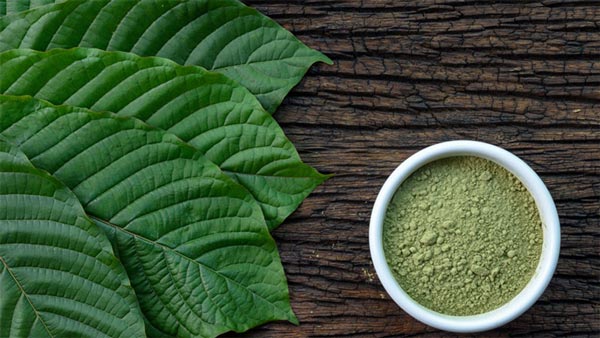
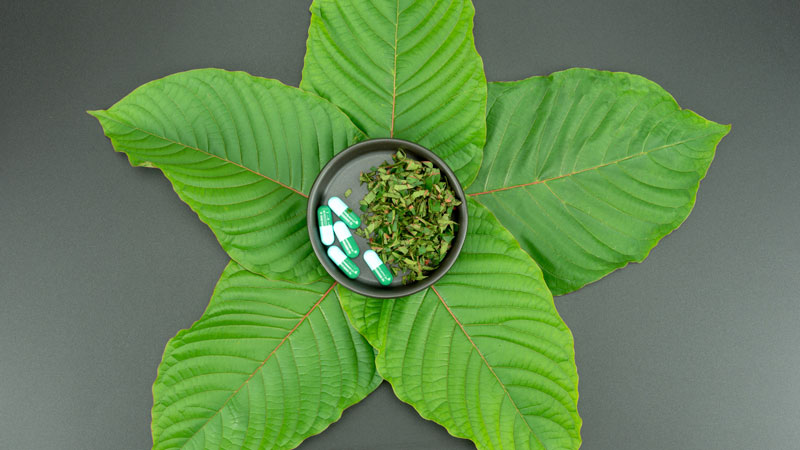
Kratom tea is made from the leaves of the Mitragyna speciosa tree, native to Southeast Asia. These leaves contain psychoactive compounds that may act as either a stimulant or a sedative, depending on the strain and dosage.
To make kratom tea, users typically dry the leaves and steep them in hot water. Some add herbs or sweeteners to mask the bitter taste. The beverage can be consumed hot or cold, and its effects may last several hours.
Although kratom is legal in the United States, it is not approved or regulated by the FDA. This means there are no standard dosing guidelines, safety controls, or guarantees of purity—making the risks significantly higher.
Is Kratom Tea Safe?
The safety of kratom tea is widely debated. While some individuals report mild benefits, the substance also carries numerous risks. Possible side effects include:
- Nausea and vomiting
- Dizziness or impaired coordination
- Constipation
- Respiratory depression (especially at high doses)
- Increased risk of addiction
Because research on kratom is limited, its long-term impact on physical and mental health remains unclear.
What Are the Effects of Kratom Tea?
The effects of kratom tea vary widely depending on the strain and dosage. Lower doses tend to produce stimulating effects, while higher doses are more sedating.
Common stimulant strains: Maeng Da, Thai Kratom
Common sedative strains: Bali, Malay, Borneo, Indo Kratom
In general:
- Low doses: energetic, increased focus, elevated mood
- High doses: sedation, pain relief, slowed breathing
Kratom Tea Strains: Overview
| Strain | Primary Effects | Potency | Duration | Potential Side Effects |
| Bali Kratom | Sedative | Moderate | 3–4 hours | Nausea, dizziness, constipation |
| Maeng Da Kratom | Stimulant | Strong | 5–6 hours | Jitters, agitation, rapid heartbeat |
| Thai Kratom | Stimulant | Moderate | 4–5 hours | Nausea, headaches, sweating |
| Malay Kratom | Sedative | Moderate | 3 to 4 hours | Drowsiness, blurred vision |
| Borneo Kratom | Sedative | Strong | 4–5 hours | Fatigue, dizziness, constipation |
| Indo Kratom | Sedative | Moderate | 3–4 hours | Nausea, constipation, loss of appetite |
Can Kratom Tea Interact With Medications or Supplements?
Yes. Kratom may interact dangerously with medications—especially substances that affect the liver or central nervous system. Individuals taking the following should be extremely cautious:
- Opioids
- Benzodiazepines
- Antidepressants
- Alcohol
Combining kratom with these substances increases the risk of respiratory depression and overdose. Always consult with a medical professional before using kratom tea.
Does Kratom Tea Have Side Effects?
Despite being natural, kratom tea can cause significant harm—especially at higher dosages or with frequent use. Side effects may include:
- Nausea, vomiting, and dizziness
- Constipation and bowel changes
- Fatigue or sedation
- Respiratory depression (most severe risk)
Long-term risks are not fully known due to limited research.
Can Kratom Tea Cause Addiction?
Yes. Kratom contains compounds that interact with the brain’s opioid receptors. This can create feelings of euphoria or relaxation, which may lead to dependence over time.
Signs of kratom addiction include:
- Cravings
- Withdrawal symptoms
- Needing higher doses to feel effects
- Using despite negative consequences
Is Kratom Tea Safe During Pregnancy or Breastfeeding?
No. Kratom use during pregnancy or breastfeeding may pose risks to both mother and child. Because its safety is not established, medical providers generally recommend avoiding kratom entirely.
Is Kratom Tea Safe for Children?
Kratom tea is not recommended for children. Its potent effects and addiction potential can pose serious health risks.
Can Kratom Tea Affect the Liver?
Kratom has been linked to cases of acute liver injury. Symptoms may include:
- Dark urine
- Fatigue
- Jaundice (yellowing of the skin and eyes)
- Severe itching
If you notice these symptoms, seek medical help immediately.
Can Kratom Tea Cause Respiratory Problems?
Yes. High doses of kratom may slow breathing or cause respiratory distress. This risk increases significantly when combined with alcohol, opioids, or sedatives.
If you or someone you know is struggling to breathe after taking kratom, call emergency services right away.