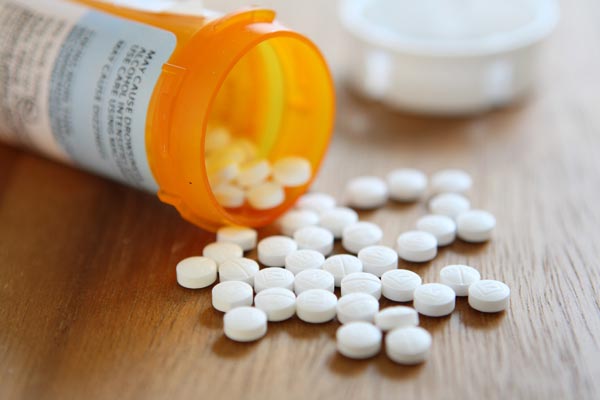



In short: yes, addiction can kill.
And it is not only “hard drugs” or “long-term users.” Addiction can become fatal through overdose, dangerous withdrawal complications, mixing substances, and impaired judgment that leads to accidents or self-harm. The most urgent risk is overdose, especially with today’s unpredictable drug supply and the rise of fentanyl and other highly potent synthetic opioids.
If you or someone you love is using and you are worried about safety, the most important step is getting help early. Structured care can reduce overdose risk and build relapse prevention skills. Explore options here: Treatment Programs.
How Addiction Works and Why Overdose Happens
Addiction is commonly defined as a compulsive drive to use a substance or repeat a behavior despite harm. Some addictions are substance-based (opioids, alcohol, stimulants, benzodiazepines). Others are behavioral or process addictions (gambling, compulsive sexual behavior, pornography, technology addiction). Even when no drug is involved, the brain can still become stuck in powerful reward and relief loops.
In substance addiction, repeated use changes how the brain experiences pleasure, stress, and reward. Over time, the body adapts to the substance. This is called tolerance. When tolerance increases, a person often needs more to feel the same effect. That “more” can cross the line into a lethal dose.
Overdose risk rises when:
- Tolerance changes after a period of reduced use (common after detox, rehab, jail, or “taking a break”)
- Substances are mixed (especially opioids + alcohol or opioids + benzodiazepines)
- Drug supply is unpredictable (fentanyl contamination, unknown potency, counterfeit pills)
- Mental health symptoms increase impulsivity or hopelessness (depression, trauma, anxiety, bipolar patterns)
That is why “just use less” is not a reliable safety plan. A safer plan is treatment, monitoring, and relapse prevention supports that match the level of risk.
How Different Substances Can Kill the Body
You do not have to wait for a fatal overdose to see serious damage. Substance use can harm the brain, heart, liver, lungs, and mental health over time. Below are common drug categories connected to overdose risk and long-term health consequences.
Stimulants (Cocaine, Methamphetamine, Amphetamines)
Stimulants can spike heart rate, blood pressure, and body temperature. They can trigger heart attack, stroke, seizures, agitation, paranoia, and severe insomnia. Long-term stimulant use can contribute to cardiovascular damage, cognitive impairment, and significant mental health destabilization.
Sedatives (Alcohol, Benzodiazepines, “Downers”)
Sedatives depress the central nervous system. High doses can slow breathing and heart rate. Alcohol alone can cause fatal alcohol poisoning. Benzodiazepines (such as Xanax) become especially dangerous when combined with alcohol or opioids. Long-term use is associated with memory impairment, mood changes, and increased depression symptoms.
Opioids (Heroin, Prescription Pain Pills, Fentanyl)
Opioids are among the highest-risk substances for fatal overdose because they can suppress breathing. With fentanyl and other ultra-potent synthetic opioids, overdose can happen quickly and unpredictably, especially when pills or powders are counterfeit or contaminated.
Opioid addiction is also commonly connected to co-occurring mental health conditions, trauma, and chronic stress patterns. Treating both the addiction and the mental health drivers reduces relapse risk. Learn more here: Dual Diagnosis Treatment in Houston.
Overdose Today: Why the Risk Still Feels So High
Even as national overdose numbers have shown improvement from peak years, overdose remains a major public health threat. The risk is amplified by fentanyl exposure, polysubstance use (opioids + stimulants or opioids + sedatives), and gaps in access to timely treatment.
In practical terms, that means overdose prevention and addiction recovery support matter more than ever, especially if someone is using pills that are not pharmacy-dispensed or substances from an unknown source.
How to Reduce Overdose Risk and Get Help
If you are worried addiction could become fatal, the safest next step is professional support. Treatment helps reduce overdose risk by stabilizing behavior, supporting mental health, and building relapse prevention tools.
Outpatient options can provide structure while allowing you to stay connected to work and family. Explore current levels of care here:
- Individualized Intensive Program (IIP) in Houston
- Partial Hospitalization Program (PHP) in Houston
- Intensive Outpatient Program (IOP) in Houston
- Outpatient Program (OP) in Houston
If you need to understand triggers and cravings that drive relapse risk, this guide can help: How to Fight Addiction Triggers.
If you are ready to talk to someone privately about next steps, start here: Contact Us.
Sources:
- Treadwell SD, Robinson TG. Cocaine use and stroke. Postgrad Med J. 2007;83(980):389-394. doi:10.1136/pgmj.2006.055970
- National Institute on Drug Abuse (NIDA). What are the long-term effects of methamphetamine misuse? Published October 2019.
- National Institute on Drug Abuse (NIDA). Opioids. Accessed 2026.
- CDC (NCHS). Provisional Drug Overdose Death Counts and related updates.
- CDC. SUDORS Dashboard: Fatal Drug Overdose Data (preliminary and final data updates).